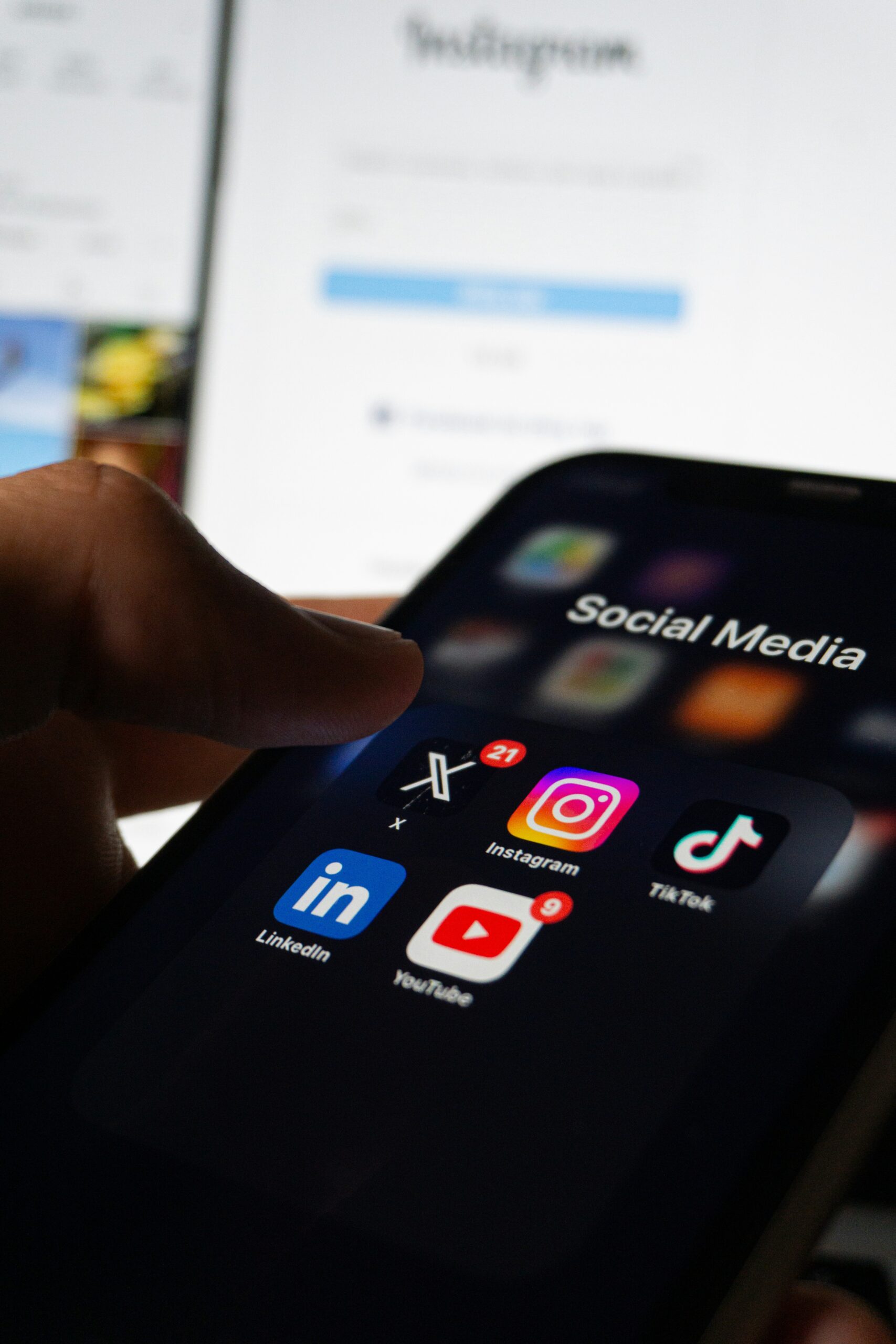
Every month, platform shifts, creator trends and regulatory updates reshape how brands show up online. To help you stay sharp, we’ve rounded up the four top headlines shaping the social landscape this month. From the rise of creator-led mini series to Instagram’s new UI experiment, LinkedIn’s analytics shake-up and a major legal precedent in Europe that could impact how feeds are designed — here’s what’s worth your attention, why it matters and how to respond.
1. Brands are betting on creators to make their next hit series
Brands are increasingly partnering with creators to produce episode-like content on TikTok and Instagram — shifting from traditional advertising or one-off social posts toward culturally embedded, social-first storytelling.
Key Details:
- Aiming to engage rather than just sell, brands such as Cava, Hot Topic and Zola have launched mini-series, such as dating shows and sitcoms, that are hosted or produced by social creators.
- These efforts represent a revival of branded entertainment — except that rather than brands acting as entertainment companies, creators act as producers, talent and distribution channels.
- The goal is to build brand affinity and cultural relevance via storytelling, not just drive immediate purchase, as audiences grow more “ad-averse.”
Key Takeaway: For brands to stand out and resonate on social media, creators should be valued not just as talent but as partners who hold the channel, voice and audience. Rather than one-off campaign posts, effective branded content is now taking the form of a series that’s native and authentic to the creator’s format and rhythm.
Read more about branded entertainment making a comeback
here (Digiday).
2. Instagram’s updated UI is coming
Instagram is rolling out a new user-interface (UI) test that reorders its bottom navigation — emphasizing Reels and DMs — reflecting the platform’s shift toward more video and messaging engagement.
Key Details:
- The update places the Feed/Stories tab first, Reels second and Direct Messages third, enabling swiping between these core areas.
- Driving the UI shift? Usage data show video watch time on Instagram is up 20% year on year, and Reels account for roughly half of all time spent in the app.
- The change is being presented as an opt-in trial for some users now, with full rollout expected shortly.
Key Takeaway: With Instagram intentionally steering user journey, brands should continue testing how video content and direct-engagement strategies, like Stories, Reels and DMs, can potentially increase reach and overall impact in line with user behavior.
Read more about Instagram’s new UI and what to expect from it
here (Social Media Today).
3. LinkedIn limits competitor analytics for free company pages
LinkedIn just restricted its once-public Competitor Analytics dashboard — and it’s a big change for social teams tracking rivals.
Key Details:
- Non-paying page admins will now only see basic metrics like follower counts and recent posts.
- Detailed comparisons (engagement rate, impressions, posting cadence) are now available only through premium Page Analytics.
- The move is part of LinkedIn’s broader push to differentiate its paid tools from the free company-page experience.
- It may also signal that LinkedIn is re-prioritizing data privacy and reducing scraping by third-party apps.
Key Takeaway: If competitive benchmarking on LinkedIn is core to your reporting, you’ll need to budget for upgraded analytics or lean on manual observation.
Read more
here (Social Media Today).
4. Dutch court orders Meta to change Facebook and Instagram timeline settings
A Dutch court has ordered Meta to give Facebook and Instagram users in the Netherlands a clear, simple option to opt out of personalized content feeds, citing violations of EU digital laws.
Key Details:
- The court found that Meta’s platforms violated the EU’s Digital Services Act by not offering a straightforward way to opt out of algorithmic timelines.
- It ruled that automatically reverting users to a profile feed after closing the app is a “dark pattern” that limits freedom of information.
- Meta was given two weeks to comply but plans to appeal, claiming such rulings should be handled by the EU, not individual countries.
Key Takeaway: This case could set an important precedent for how social platforms design user experiences, especially in Europe. It highlights growing pressure on tech companies to prioritize transparency and give users more control over the algorithms shaping what they see, particularly during sensitive times like elections.
Read more
here (Reuters).