Corporate communications in 2026 is unfolding at the intersection of permacrisis, technological acceleration and rising stakeholder expectations. From CEO activism and the evolving trust mandate to AI’s reshaping of credibility, discovery and workforce dynamics, organizations are navigating an environment where silence is increasingly interpreted as strategy and transparency is expected as table stakes. At the same time, shifting regulatory, cultural and platform dynamics are redefining how companies demonstrate values, earn relevance and sustain influence. In this month’s Cup of Corporate Comms, we unpack the forces shaping the global communications agenda and what they signal for leaders working to build trust, clarity and cultural connection in an era defined by constant change.
You can download a pdf of this month’s edition of Cup of Corporate Comms here.
Turmoil in Minnesota shone a harsh spotlight on corporate and crisis communication. Campaign U.S. reported that more than 60 CEOs of Minneapolis-based businesses issued a shared memo on ICE activity in the city. The strength and timing of these statements drew widespread criticism, as described by Fast Company and Business Insider. Still, Fortune said this appears to be a breaking point, as once-silent global leaders are now speaking up. Could CEO activism help bridge the trust gap between consumers and companies? HAVAS’ 2025 Meaningful Brands report shows nearly half of consumers have cut ties with brands they see as failing the society or planet. And Just Capital reported that only 53% of Americans believe large U.S. companies are very or somewhat just. This is at odds with public expectations: 80% believe business can be a force for positive social change.
Bottom line: Communication lessons from the murder of George Floyd in 2020 continue to ring true: Public statements and activity need to be backed up and contextualized to employee, customer and consumer audiences seeking leadership and answers. Using additional communication to help each group understand the environment for decision-making can help bring further clarity to a leader’s role and actions. HAVAS Red Managing Director Lesley Sillaman says, “Corporatecommunicators find themselves in a state of permacrisis, forced to stay vigilant in a geopolitical environment seeking guidance. True leadership will bedemonstrated via a willingness to face the moment with authenticity, consistency and transparency.”
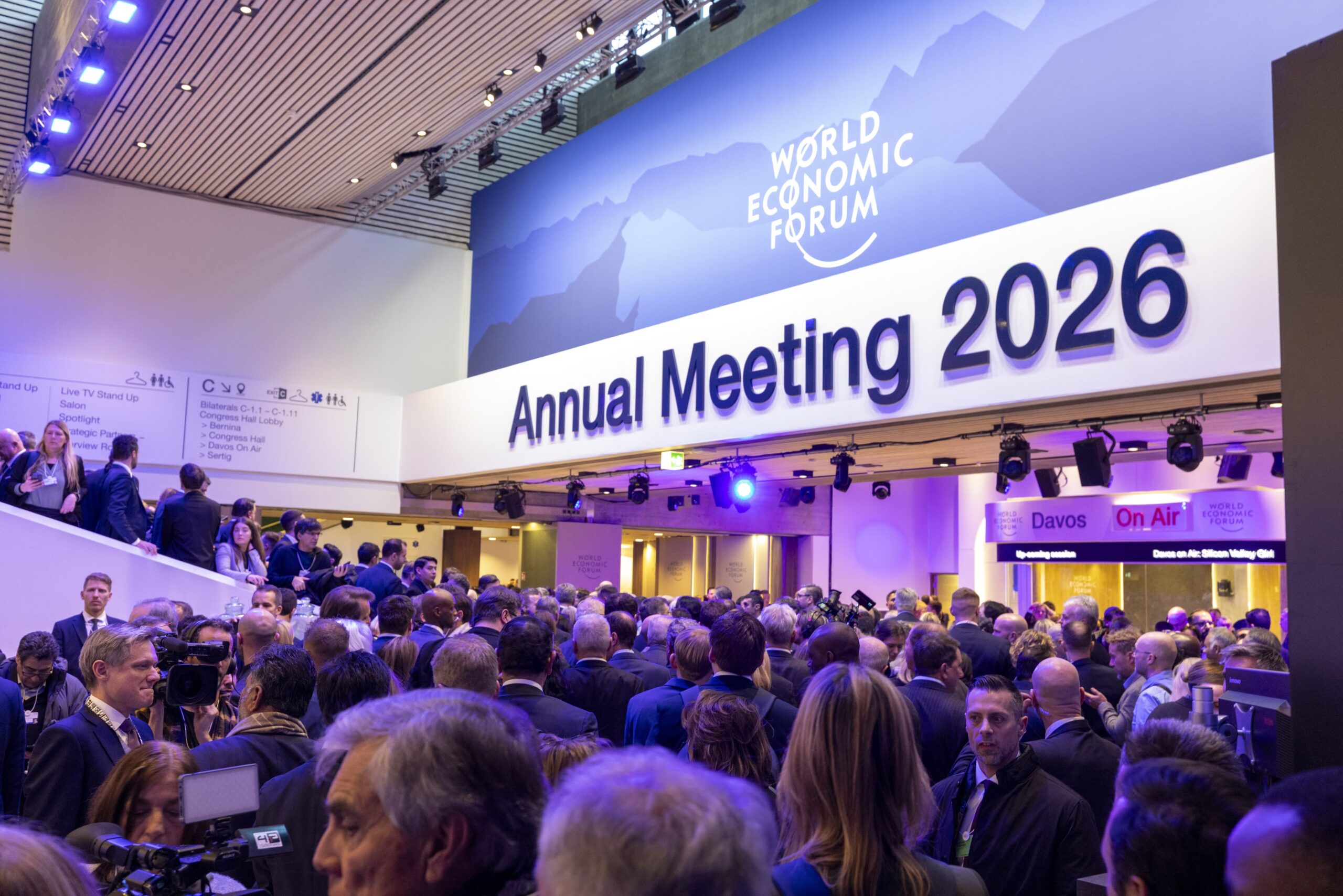
The New York Times noted that traditional World Economic Forum (WEF) priorities such as climate action, gender equity and human rights were sidelined in favor of business-driven technological momentum, with a focus on AI-based initiatives that create growth. WEF Interim Co-Chair and BlackRock CEO Larry Fink called for participants to create a “credible plan” for broad AI usage, the New York Times reported. Still, some executives and participants spoke of AI cautiously. JPMorgan Chase CEO Jamie Dimon warned that rapid AI‑driven layoffs could trigger civil unrest unless governments and businesses work together to help “save society,” Fast Company wrote. And according to experts surveyed ahead of the summit, adverse outcomes of AI moved from 30th place among short-term risks last year to fifth place this year, per Quartz. If there’s one takeaway from Davos, it’s that AI will continue to lead global conversations in 2026, from its implications on the workforce to its impacts on the environment.
Bottom line: AI may dominate every global conversation in 2026, but communicators still determine how their organizations show up in a world defined by rapid change. Leaders are managing both the promise and the pressure of AI, evolving geopolitical risks and rising expectations from employees and stakeholders. “The only way to cut through this environment is with authenticity, consistent storytelling and evidence that proves your message is real,” says Joseph Giumarra, vice president, media relations at HAVAS Red. “Trust grows when companies are transparent about what is working and honest about what still needs attention. The organizations that will stand out this year are the ones that communicate clearly, demonstrate meaningful progress and stay grounded in data at a moment when credibility has never mattered more.”
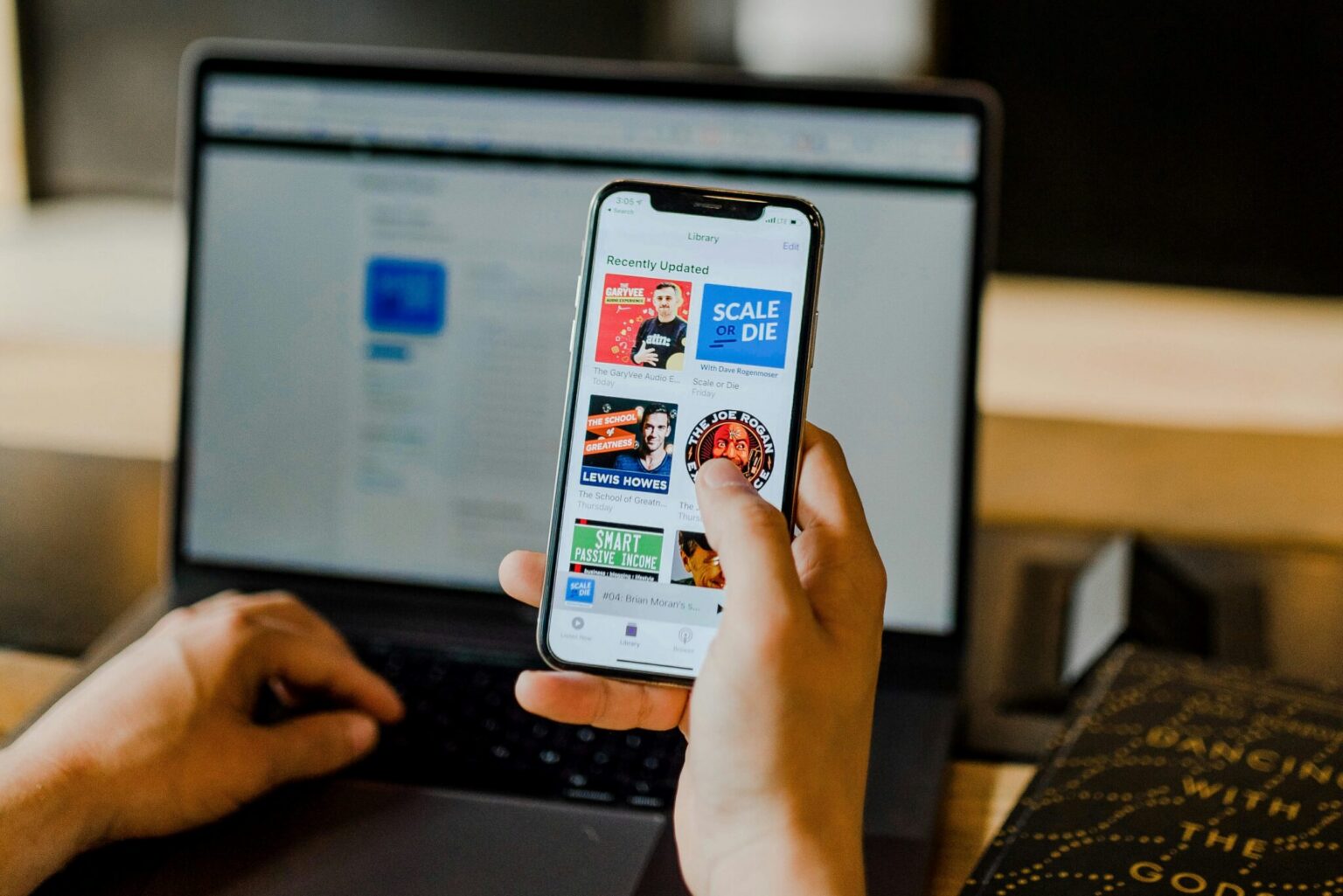
In a world where AI is increasingly the gatekeeper of brand discovery, visibility starts with ensuring your most important narratives are accessible and algorithm-ready. Nearly half of all consumers today rely on AI-powered search, according to McKinsey. But the more consequential shift is where AI goes to find the information it serves back: Adweek reported that YouTube has overtaken Reddit as the top citation source for AI engines. LinkedIn is also rising fast as a trusted reference for chatbots, per new SEMRush data. Meanwhile, TechCrunch reported Netflix is expanding its ambitions beyond streaming series by integrating podcasts from iHeartMedia, Spotify and Barstool Sports — a response to YouTube’s explosive growth in podcast viewership. No doubt Netflix has also noted that YouTube is now the most-watched streaming platform in the U.S., as reported by Nielsen.
Bottom line: As brands race to master generative engine optimization (GEO), the winners will be those that use their full content arsenal to meet audiences — and AI — where they already are. “Discovery is no longer driven by search in isolation, nor by social in silos,” says Colten Gill, account director, social andcontent, HAVAS Red. “It’s increasingly shaped by where AI looks first and where audiences spend the most time. And in 2026, those two forces are converging around platforms that prioritize robust, evergreen, high-authority content.”
One year into the second Trump Administration, DEI continues to be both a political and regulatory flashpoint in the U.S. and beyond. In the U.S., HR Brewdocumented the private sector recalibration: Roughly 63 Fortune 100 companies have rebranded or removed DEI messaging from public-facing websites; of those 63 companies, 54 made changes following the 2024 presidential election. Those who did not change messaging around DEI cite the business case for diversity in encouraging innovation, growth and alignment with company values, Time reported in February 2025.
These nuances were intensified for companies with global footprints and U.S. operations. As Bloomberg reported in March 2025, international organizations withU.S. arms — including those in the banking, pharmaceutical and automotive industries — walked a tightrope between receiving unwanted scrutiny and following international diversity regulations, such as the European Union’s Corporate Sustainability Reporting Directive (CSRD) and Singapore’s Workplace Fairness Legislation (WFL).
Organizations continue to walk this tightrope into 2026. Leaders still feel “caught in the middle” between legal scrutiny, reputational pressures and evolving workforce expectations, ESG Dive reported. To meet the moment while remaining compliant, organizations are moving toward frameworks that center company culture and are tailored to — and reflective of — local workforce realities, reported in Charter, European Business Review and Entrepreneur. Consistent documentation around these frameworks — including time to promotion, attrition by cohort and participation in training — has become paramount as companies seek defensible decisions in more contested environments, as HR Dive reported.
Bottom line: The path forward requires connecting words to actions, action to impact, and impact to business goals. Communicators and business leaders play an essential role in forging this path. Lead with culture and compliance, and use consistent, credible messaging on how commitments show up as support.Articulate the business and fairness case — with the proof to back it up — and underscore the message that localized inclusion is legally sound, operationally smart, strengthens customer centricity and scales innovation.
As algorithms become increasingly personalized, is pop culture losing its power to unite audiences around shared experiences? The Wall Street Journal askedthis, while Ad Age reported that virality is now more hourly and less happenstance, becoming easier to achieve and replicate. At the same time, the unhinged, trend-jacking content that defined virality five years ago no longer feels exciting or new. With one exception: If it sparks widespread nostalgia, odds are it will be a hit. For example, Business Insider reported that brands and celebrities were quick to hop on the “2026 is the new 2016” trend. And Marketing Brew wrote about how B2B expense management platform Ramp’s recent livestream of Kevin Malone from “The Office” processing receipts turned nostalgia into a viral, cross-generational engagement moment.
The smartest brands today are winning not by jumping on trends but by sparking conversation across multiple niche communities (HAVAS Red has written extensively about the “itch for niche” in our 2025 and 2026 Red Sky Predictions). They’re also mining comment sections for content and conversation. Take Topgolf’s recent social campaign, born from a comment pointing out a collapsed net, according to Inc., and Dr. Pepper’s new TV spot, which sprang from the comment-section response to a TikTok creator’s quirky jingle, Business Insider reported.
Bottom line: Viral moments alone no longer guarantee cultural relevance. Brands are finding success by building connection through creator partnerships, comment-driven creativity and socially shareable offline experiences designed with niche communities in mind. “Legacy brands can still see social as an afterthought, so teams have had to shoehorn reactive, trend-ish content into existing campaigns as opposed to creating moments that are built to be social from the start,” says Gill. “’Viral’ content is a box to check but ultimately doesn’t add anything new to the conversation when reach can equally be earned through paid support.”
Take the next step and reach out today.