by Pattie Sullivan, SVP, Practice Head, B2B
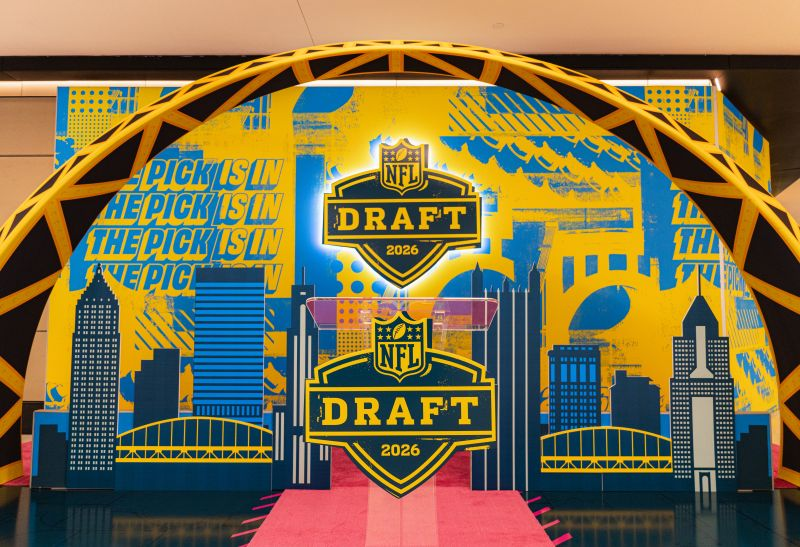
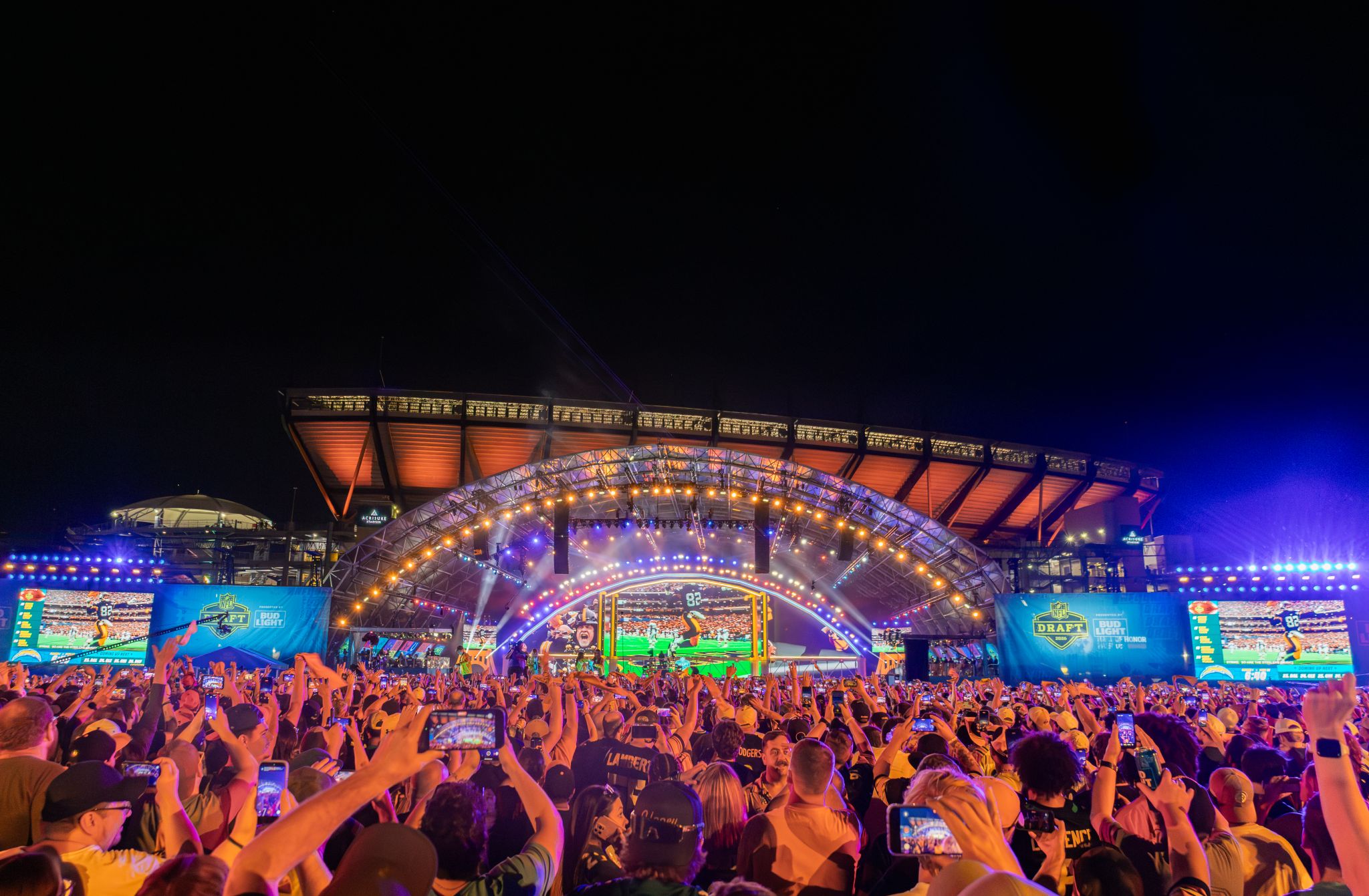
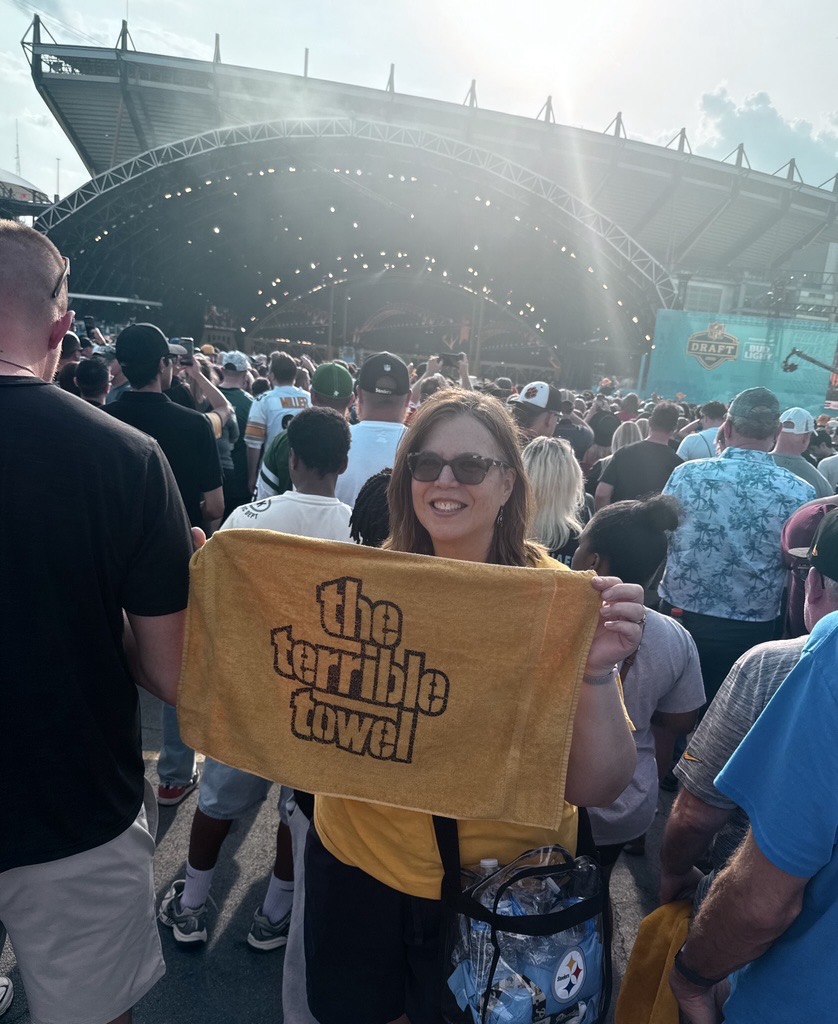
Last week 805,000 of my closest friends and I took in the sights and sounds of the 2026 NFL Draft, which was hosted in Pittsburgh for the first time in nearly 80 years. Football fans from across the country brought an undeniable energy to the city. And despite its size and complexity, the Draft experience felt remarkably seamless for fans, media, sponsors and partners alike.
I experienced the three-day event from two perspectives — not only as an unabashed fan of football (and Pittsburgh) but also as someone who leads B2B communications. I was reminded that success, whether on the draft board or in the boardroom, rarely comes down to a single big moment. Rather, it’s the result of fundamentals executed exceptionally well, over time.
Here are a few of my takeaways.
The NFL Draft didn’t come together overnight. Months of planning went into aligning stakeholders, mapping logistics and stress‑testing scenarios. That preparation gave everyone involved the confidence to perform once the spotlight was on.
The same is true in B2B communications. Strong outcomes aren’t driven by one campaign or one clever idea. They’re built over time. When organizations invest early in strategy, truly understand their audiences and align communications with business priorities, they stop reacting and start leading. I’ve seen firsthand how proactive planning turns communications from a support function into a real strategic advantage.
At an event of this magnitude, communication is essential. Local officials, national broadcasters, sponsors, merchants, security teams, volunteers and city services all had to stay aligned in real time. That kind of coordination only works when information is clear, consistent and constantly flowing.
I see this same dynamic play out in B2B organizations every day. When communication happens in bursts instead of in a steady rhythm, alignment breaks down. But when organizations understand not just the “what,” but the “why,” they move faster, make better decisions and reduce risk. The Draft worked because communication never stopped before, during or after key moments.
The NFL Draft succeeded because it was truly a team effort. Countless partners shared accountability and worked from the same playbook to deliver a unified experience.
That’s exactly how the most effective B2B communications programs operate. Marketing, communications, sales, HR, leadership and agency partners must work as an integrated system. Silos slow things down. Alignment speeds everything up.
Even the best-planned events face changing conditions. Weather shifts. Crowd dynamics evolve. Unexpected moments happen. I was impressed how quickly organizers adjusted, without disrupting the experience.
In B2B communications, flexibility is just as important. Markets shift. Business priorities shift. External events can reshape narratives overnight. The strongest teams plan rigorously but stay nimble. They know when to hold the line, and when to adapt their messaging, strategy or approach with confidence.
The biggest takeaway for me from Draft weekend is this: Preparation creates adaptability. When organizations invest in planning, communicate relentlessly and work in true partnership, they earn the ability to pivot when it matters most.
Whether it’s on the draft board or in the boardroom, execution is what separates good intentions from great outcomes. And in B2B communications, it remains the ultimate differentiator.